Some Advice on Creating That Lawn You Always Dreamt Of
You can have a beautiful lawn and better still you don’t need to use chemicals for it to happen. In fact there’s a very good chance that your grass may turn out to be healthier if you don’t use any chemicals. The chemical compounds not only pollute the ground, but also contaminate the water. The benefits that chemicals give are largely short term so try and live without them. You’ll be able to eliminate your use of chemicals by working on the following tips.
The best weed management method is to physically pull all of the weeds. The vast majority of weeds usually are annuals, so if you eliminate them before they go to seed, they won’t come back. Some others could have root systems that have to be taken out so they won’t grow back. Specific weeds like clovers need to be permitted to grow since they are beneficial to a lawn or garden. Clover delivers nitrogen to the soil making it great for keeping your lawn healthy and beautiful. Purchase a soil test kit, to find out how much organic matter is in the soil. It can be good to find out the pH balance of your soil as well as what nutrients are needed to improve the quality.
For the blank spots on your lawn, use a mixture of grass varieties when you re-seed. The sicknesses that get into your turf are picky, so a mixture will keep your lawn from being wiped out by a disease. You need to routinely aerate your soil and break up the grass so it does not become a heavy thatch. In that way, the roots are able to successfully reach the soils nutrients. Earthworms are going to aerate your lawn better than any other thing. If the layer of thatch gets to be a half-inch thick, you need to de-thatch it. By not carrying this out, you’ll have problems with water, nutrients and air entering into your soil. The majority of the thatch can be eliminated if you rake your lawn quickly after aerating it.
Considering that just a little thatch will encourage the decomposition of organic matter, together with the grass clippings, it can be a benefit to the health of your lawn. It is best to preserve the height of the grass at two or three inches, and to keep the grass from going into shock, only a third of the height should be cut at any one time. To counteract trouble for the grass, the mower blades should always be sharp. Never make use of anything but natural fertilizers, because they not only add nutrients into the soil, but they help them stay there longer. Grass clippings and thatch tend to be decomposed by organic fertilizer, and one of the most effective natural fertilizers you can find, is sheep manure.
Make sure you exclusively water when your lawn demands it, and get the water down deeply. If you don’t do this, the roots are going to turn out to be shallow and more predisposed to insects and disease. Once you carry out these methods, you will have a beautiful lawn that everyone will envy.
Categories: Lawn Care Tags: best lawn, creating a great lawn, green lawn, Lawn Care
Some Tips To Get You Started Gardening
Horticulture is one of several Americans’ most favoured pastimes. It can be a spare time activity that delivers pleasure to not just the most avid of gardeners, but to all who participate in it. Usually there are some essentials to learn, but there after it is actually quite easy. Here are several ideas to help you prepare your garden for year-round enjoyment.
When you begin, first figure out the order of your planting. The easiest way is to first make a decision about the larger sized plants, and lastly to plan where the rest should go. This subject of all the sizes of plants has to be considered in your planning. When you want to add in a certain plant, it is good to find out its size when fully grown. Gardening newbies will find it useful to plant a few perennials, of which one of the many benefits is that they don’t die annually, but keep going year after year. Perennials in addition cost less than annuals while maintaining them is not as demanding. Pick plants like hostas, black-eyed susans and daylilies in case you want to enjoy minimal routine maintenance.
With annuals, instead of buying plants ready to set in the soil, it is less expensive to start them from seed. That is the reason why many people want to plant seeds in their garden, but it is difficult to start annuals that way. A good thing to do is to begin seeding this kind of plant indoors, making sure that they get plenty of water and sunlight. This is likely to make them plenty hearty when you are ready to transplant them to the soil outside. Make certain that the soil is dry when you relocate your annuals. Drier soil encourages the most growth of annuals. Do be sure to blend organic matter into the garden soil, because this helps retain water in the soil, which is needed by the plants subsequent to planting. If the soil is dry initially the plants take better, but once they start growing the roots want lots of water.
Come to a decision on a technique for irrigating your garden, because if that is lacking it will cause a real problem. The kind of plants that you will grow basically decides the irrigation system you should get. For plants requiring lots of water, you could possibly consider installing an in-ground system, but this needs to be done before you plant anything. When you have this kind of system, you never need to be concerned about how your plants will get watered when you are gone. Once you arrange carefully, you will make your garden energy-efficient. You can establish a slope plan if you have issues about your garden in the summer and the water it needs. Plants that are shaded need to have less water, so place your taller plants so that they provide shade for the shorter ones.
Grow to be the neighbourhood gardening expert by building on these simple ideas. As soon as you know the tips for success, you can become an excellent gardener.
Categories: environmental, garden design, Garden Tools, Lawn Care Tags: first garden, get gardening, my first garden, starting to garden
The First Thing Your Visitors Look At Is Your Gorgeous Lawn
Most people, who are living in their own house, take a lot of pride in looking after their home, both inside and out. The exterior landscaping is the first thing that visitors will see, which means you will want to have it looking the best it can. Additionally, you’ll have a feeling of happiness when you see your beautifully landscaped lawn. If you would like your lawn or garden looking its best, you will need the right tools and equipment for the job.
Many homeowners think that using dangerous chemicals and pesticides are critical for having a successful lawn or garden. That does not have to be the case, since you are able to use organic products on your lawn and garden, which will work on them without harming the environment. You will find quite a few harmful chemicals in the fertilizer for your grass, primarily phosphates and nitrates. It will require plenty of fertilizer to do the whole yard, in some cases, a couple of pounds, which will expose your family to some unnecessary problems. Significant health complications, like asthma and cancer can result. During rains, the chemicals become washed away and pollutes the water supply.

Using natural compost is really a better option than using fertilizers, especially if you can make your own. You can make your own compost simply by filling a compost container with old leaves, grass, food scraps and even pet droppings. It does not demand much effort once you set it up and you won’t create any health issues. The compost you create will likely be filled with nutrients. If you have a large yard, you will need to make a lot of compost. The quantity of compost you get isn’t going to be much because it shrinks as the elements first decompose. The lawn and other plants will grow really well in your nutrient-rich soil.
Having a healthy soil, the plants and grass will have healthier and longer roots. Having sturdy roots means there is less water for you to use consequently, you’ll have a lower water bill. Since several areas have constraints on water usage, you will need properly prepared soil, to get the best results from the water you are allowed. Even not having much water, you will still be ready to have a yard, full of green grass.
When you water in the early morning hours, you’re going to get the most effective benefits from the water, than almost every other time. Since there is less sunlight, there’ll be less evaporation and the water will have a chance to saturate into the soil. But don’t get it done at night since the water could potentially cause fungus to grow.
Categories: garden design, Garden Tools, Lawn Care Tags: create a green lawn, green lawn, Lawn, Lawn Care, new lawn
Suggestions For Shielding Your Garden From Pests
Gardening could be a piece of cake if the only thing you had to do was plant some seeds and watch them grow, but there’s much more to it than that. After the primary hard work is completed and your plants are beginning to grow, pests are going to appear out of nowhere and start attacking your plants. You can keep the pests away by keeping your garden very clean. Garden compost piles do not generally cause issues but an messy yard that is not regularly cared for can be a significant problem.
One particular natural method of getting rid of garden pests is to use earthworms because their constant moving of the soil allows air and water to be accessed. Several varieties of birds, including robins and sparrows, feed on typical insects. Some bugs, just like the ladybug, do a good deed by feeding on harmful insects. Rather than looking for ways to get rid of toads, you should welcome them as they are able to eat many insects in one sitting. Having a garden that attracts birds and toads is a great way to keep those insect pests out of your garden.
You are going to attract birds to your garden if you have a birdbath, a birdhouse, and place some grain around the perimeter when spring is beginning. If you’re looking to entice toads, you need a spot with no shortage of shade. Look for a nice shrub and position some damp leaves in addition to a few stones within its shade. The toads might take pleasure in the cool shade in the sizzling summer and enjoy feasting on insects during the evening. Exactly how insects work is the pinpointing factor as to which type of insect they fall into.
Caterpillars and grasshoppers are an example of gnawing insects, those who chew pieces of a plant. Mosquitoes and plant lice are scale insects that adhere themselves to a plant and then draw all the juice from it. Gnawing insects could be poisoned with a spray that is applied on the plant; they will ingest it along with the plant. Or perhaps the insects can be attacked directly with insecticides, that are sprayed onto the plants to fall on the insects. Each one really does a deadly job on the insects. Backyard gardeners usually speculate which insect is causing the damage, which will be determined by observing either the type of damage or the actual insect.
If the stalk of one of your delicate plants has been completely split, you can anticipate that a cutworm is the culprit. Should you ever see a caterpillar with gray stripes, it might be a cutworm. They are hard to see as they rest during the day and only come out to work at night. Position tin collars or paper on your plants to guard them. More widespread are plant lice which are usually green in color, but may be red, brown or yellow. They are really simple to spot since they’re clinging to the plant.
Categories: environmental, Garden Tools, Lawn Care Tags: fight garden pests, garden pests, kill garden pests, using pesticide
Some Green Alternatives to Chemical Weedkillers
Many people love their gardens and the environment, but unfortunately there seems to be a trade off between a lovely weed free garden and using toxic but effective chemical weed killers. However don’t worry, there is a way to keep your garden in good repair without having to use these chemicals. It’s simple, just find out which of the Green and environmentally friendly weed killers is most effective for you.
It is perfectly possible to look after a garden organically, and is actually not as difficult as you might imagine.After all their have been beautiful gardens for centuries, in fact long before chemicals and weed killers have existed.These gardens of the past must have used environmentally friendly methods of weed control, so you can too.
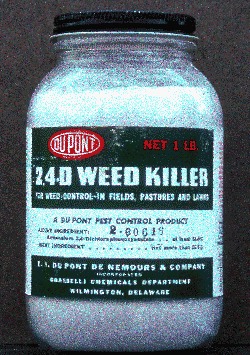
But first before zooming on to the green weed killers, you should think for a minute about the apparent effectiveness of these chemicals everyone seems to use.
They are expensive, harmful to many plants as well as pets and even children.There are bigger risks too, potentially they can end up seeping into our water systems.For example rain can carry these chemicals whcih have been recently applied into the water through drainage systems and storm drains.Also seeping into the soil, and then to streams, rivers, ponds and wells.
In fact there’s so many risks of using these chemicals – it really doesn’t seem worth it.So this is all very well, but are there any alternatives. Well fortunately there are many ways of dealing with weeds without all these nasty chemicals.
Ordinary Salt
Mixed with water and then appied directly on to the offending weeds.This definitely is effective but you need to be careful where you use it. Salt water on the soil will sterilise for all plants too.
Vinegar
This is a very, very effective weed killer, all you need to do is to pour it directly on the roots of any weed.If you mix it up with washing up liquid or detergent, then spay the misture onto weeds also works well.You can also use lemon juice, but unfortunately this can be expensive. However if you have access to lemons it’s a fantasticly effective green weed killer.
Water
Yes even humble water, if boiled first can be used to scald and destroy weeds.It’s obviously a very cheap option, but of course don’t get it on your other plants as they will also be affected.
Tabasco Sauce
Another heat based approach, surprisingly many very successful gardeners use this spicy sauce to control weeds.
As well as using some or all of these tips, in some cases manual intervention will do the trick .Leave whatever weed killers you have used for a day or two, then remove the dying ones to finish them off. It’s important here to get all the roots of the weed rather than just a few leaves or the stem. If you leave the root in then there is a very good chance that the weed will resprout.
For those of use who’s back has seen better days, then getting at roots can be difficult – try using a gardening hoe to hack the roots out. It’s certain that some deep rooted weeds may even survive. You’ll then need a hand rake or a cultivator so that you can dig them out completely.
Categories: environmental, garden design, Garden Tools, Lawn Care Tags: chemical weed killers, eco friendly weedkiller, weed killer, weeds
Hayter 617 Spirit Petrol Mower
First of all if one of your main concerns in buying a new lawnmower is starting it up then the Hayter 617 Spirit mower is probably not for you. It’s not that it’s extremely hard to start but it’s nearly always a topic for debate with any decent petrol lawnmower – how hard is it to start? Out of the many petrol mowers I’ve tried this certainly isn’t the hardest to start, but it does require a little bit of effort. As with most petrol mowers you have to press a primer button a few times before pulling the starter cord. On the Hayter 617 you are told to press it five times before pulling the cord, in reality you’ll usually discover the right number yourself depending on the circumstances – varying between 3 and 10 in my experience!
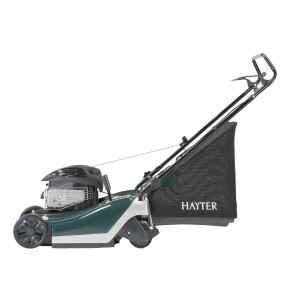
Click for Best Price for Hayter 617
So if you want to turn your mower with no effort at all, start looking at electric mowers or some of the new Honda petrol mowers which seem to start with a little less effort. The reason people buy Hayter mowers though are because they have a deserved reputation for quality. If you have a large garden or rough area that you need to keep under control – you’ll have little problem with most Hayters and the Hayter 617 push mower is no exception.
It’s construction is fairly solid although for those used to older Hayter lawnmowers this one doesn’t feel quite as solid being constructed from mainly aluminium and composite plastic. This does have the advantage of being a lot more light weight though and it does make it easier to manage and manoeuver than older models.
As suggested by the name it’s cutting width is 41 cms which is just about right for most jobs in a reasonable side garden. The cutting lengths are from 13mm to 65mm although it can be a little difficult to estimate these you soon get used to the lengths each setting provides. The Hayter 617 has a large grass collection capacity of 55 liters in it’s strong canvas grass bag which saves lots of visits to empty the cuttings.
So How Does the Hayter 617 Spirit Cut?
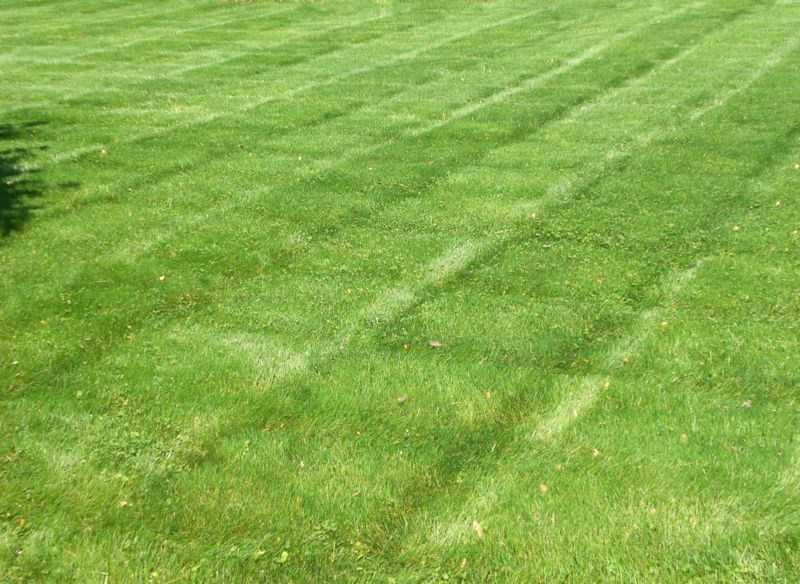
This is where I don’t think you’ll be disappointed, the 617 cuts beautifully providing a fantastic finish making most decent lawns look like golf fairways. The obligatory stripes are clear and defined and really do make your lawn look good.
Some have reported problems with the way the Hayter 617 manages and collects when the grass is damp. I don’t really feel I can comment on this as I never usually mow damp grass. It doesn’t look like it would be a problem but if you’re gardener who needs to cut grass in situations that are not ideal it might be worth checking around – there’s quite a few reviews on the Amazon site which mention it.
So overall the Hayter 617 Spirit Push mower is a pretty decent mower, it’s pretty affordable compared to their normal models but perhaps that is slightly reflected in the build components of these cheaper models. It does cut the lawn extremely well and you won’t find many better finishes in mowers at this price range or below. If you decide that a petrol mower is for you then you could do a lot worse than the Hayter 617 Spirit.
Categories: Electric lawnmowers, Lawn Care, Lawn Mowers, petrol mowers Tags: Hayter, hayter 617, hayter mower, hayter spirit, Petrol, petrol mower
Qualcast Panther Mower
Have you ever wondered about all the time and hassle it takes to set up your lawnmower before you cut the grass? I used to use a very expensive Hayter mower which needed pretty much a full service before it would start each time. Even then you were in danger of dislocating your shoulder trying to start it with the cord!
Well there is an alternative and it’s called the Qualcast Panther mower.
This alternative is a cylinder hand mower which has a central cylinder with 4 cutting blades. These provide a 30cm cutting width which although is not huge is perfectly adequate for small to medium type lawns. So ok if you have a couple of acres of lawn to mow it’s not going to suit, but lets face it most of our lawns are much smaller than that,
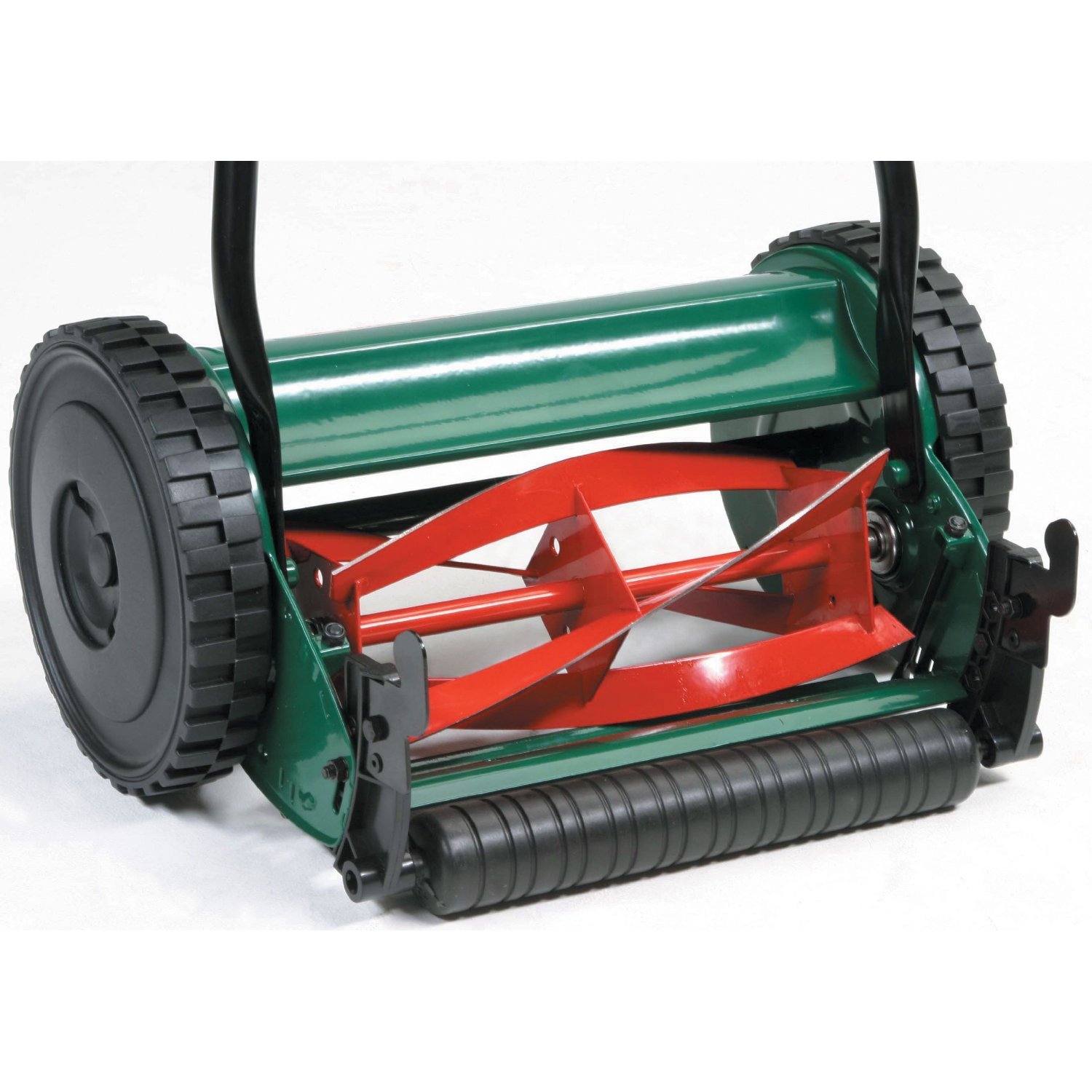 Let’s have a look at some of the advantages – well for start it has very high geared wheels, this makes it extremely easy to push, You can literally pick the Qualcast Pather mower up in one hand and start mowing the lawn.
Although you have no engine or motor to supplement your effort it’s not actually that difficult to mow your lawn with the Qualcast Panther. I certainly find it much easier than the vast majority of Flymos especially when they have their grass boxes attached.
You change the height of the cut using a nut and bolt on the mower, it’s variable between 12 and 40mm in length. If you can see it also has a roller which gives a striping effect to the cut. The stripes are not too bad but don’t expect anything like a petrol cylinder lawn mower could produce.
So it’s easy to use, healthy for you giving a small workout. It’s also obviously the best option for the environment as the only power is being supplied by you. It actually makes mowing a little more relaxing as well mainly due to the relative peace and quiet.
The Qualcast Panther does have a grass collecting box of 20 liters although I have to say this is probably the weakest part of this mower. The box collects a lot of the grass but it does drop quite a lot as well, it also isn’t able to squash the cuttings together like some mowers like the Bosch Rotak 40 for instance – so you’ll have more visits to empty the collector.
Another thing worth considering is that this mower is actually very simple, there’s not very much on it to go wrong. I’ve had one for ten years and apart from looking after the blades it needs no real maintenance. There are very small drawbacks to this mower – it struggles with damp grass, the cut is not quite as good as many electric mowers (but I still think better than most Flymos!) and it doesn’t quite catch all the clippings. It’s also pretty cheap and is often on Amazon for between £30 and £40.
But as an environmentally friendly way to cut the grass and give yourself a bit of exercise then you won’t do much better than the Qualcast Panther Mower.
Categories: Lawn Care, Lawn Mowers, Mower Spares Tags: Cylinder Mower, manual mower, Qualcast mower, Qualcast Panther, Qualcast Panther Mower
Brown Patch and Other Lawn Diseases
There are many different lawn diseases that can jeopardize the health of your lawn at any given time. Being educated about these different diseases and the harm that they cause can help you to treat and prevent them.
One very common lawn disease is known as brown patches. Brown patches are most common in areas that experience high levels of humidity and shade. They most commonly occur in Kentucky Bluegrass, Bermuda grass, Bent grass, St. Augustine grass, Centipede grass, and Ryegrasses. These brown spots typically will start out small, but they can quickly spread out in horseshoe or circular patterns. They can grow to be up to several feet wide. Many times, as the brown spot is expanding, the inside of it will recover. This will leave a brown ring in your lawn. The best way to prevent these brown spots from occurring is through regular aeration of your lawn. You can also reduce the shade to the effected areas. This will help them to grow back. A couple common fungicides that are used to treat brown patches are benomyl and chlorothalonil.
Another common lawn disease is the fairy ring. Fairy rings can grow in almost any type of grass. They are circular rings that are filled with a fast growing, dark green grass. Typically, the outside of the ring will turn brown and grow mushrooms. They are most typically found growing in soils that contain a lot of wood debris or old decaying trees. The best way to prevent fairy rings from growing in your lawn is to aerate the area that is effected by the fairy rings. This will help to kill them. It is also a good idea to water only in the early morning hours to help prevent them from growing. You should remove any excess thatch from your lawn, as well. Increasing the nitrogen levels in your lawn through fertilization is also a good way to prevent fairy rings.
Red Thread is another lawn disease that can turn your lawn brown. Red Thread is most commonly found in Fescues, Ryegrasses, and Kentucky Bluegrass. The name ‘Red Thread’ is taken from the pinkish-read threads that are formed around the blades of the grass. These threads then bind the grass blades together. The grass that is affected by Red Thread will eventually turn brown. Since Red Thread attacks only the leaves and leaf sheathes of the grass, it is rarely serious enough to kill the grass. It is easiest to spot Red Thread when the grass is wet. The best way to prevent Red Thread from occurring is to aerate your lawn often and remove any thatch that may have fallen onto the lawn. It is also important to follow a regular fertilization schedule. Chlorothalonil is a commonly used fungicide that can help to treat Red Thread.
Lawn diseases can cause a lot of damage to your lawn, if left untreated. With the proper knowledge, you can spot these diseases and stop them before they get out of control. This article was brought to you by the http://www.bestelectriclawnmower.co.uk/ team, thank you for reading.
Categories: garden design, Lawn Care, plants, Uncategorized Tags: brown patch, brown patches, lawn disease
Lawn Leveling Tips – How do you Level Lawns
The key to achieving a clean, even placement of a lawn lies in the preparation of the site on which the grass is to grow on: no rubble, no protruding large stones, no holes or crevices on the ground that may twist one’s ankle, hide tiny objects, even creatures, that inadvertently roll onto lawn grass, and will make the task of mowing the lawn difficult.
The first step to level lawns – is to clear the area of unwanted objects like tree stumps and large stones. This is done by digging or by using a Rotavator. If there are weeds or unwanted vegetation growing, a systemic weed killer may be sprayed onto the soil to discourage the further growth of weeds. After clearing, the soil is raked to improve soil structure. This also facilitates the leveling process.
The next step is to do soil patching to further even out the surface area and to create a planting surface that is acceptable to the roots of the plants. This can be done by dragging topsoil from one area of the lawn to the other in order to create an even planting surface. Well-drained, sandy loam makes the best topsoil for a lawn. It should be free draining, but at the same time be able to retain a certain water level that can prevent plants from completely drying out. Sand may also be added to the topsoil to level the soil but it can turn cement-like when dry and can cause soil drainage problems. Used alone, sand is not a good surface to grow grass on.
To achieve a uniform level for the planting area, mark the desired soil height using string that is drawn taught on pegs. These pegs are evenly plotted on the area, creating a uniform grid that will guide the distribution of the soil. Adjust the soil level to the marks indicated by the lines. Repeat the digging, raking and leveling processes until a level surface is achieved. The soil is then firmed down.
Cover the whole area with topsoil, preferably 20-30 cm (8-12 inches) deep. Tread evenly over the ground to test if the soil is evenly firm. Take care not to over-compress so that the soil won’t get compacted or water-logged. No activity should be undertaken on the soil surface within the next 4-6 weeks to allow the soil particles to settle down naturally. Lightly fertilize; water the soil thoroughly a few days before putting the grass in.
If lawn ruts or uneven spots appear after the grass has been allowed to grow, patch the soil with an equal mixture of sand and dry topsoil, evenly spreading the mixture, but not entirely covering up the growing grass underneath. Compost may also be added to the patching soil mix for a richer planting medium.
That should be it, keep an eye on the lawn but over time, this uneven spot should eventually level out. These are the simple steps in lawn leveling, it’s not as difficult as it seems. You can save on professional fees. But more importantly is the fact that you will derive much satisfaction in doing your own lawn leveling
Categories: Lawn Care Tags: GARDEN, Grass, Green, Lawn, lawn leveling, lawns, leveling lawns, Mowers
Hydroseeding your Lawns
Hydroseeding is a modern and easy way of planting grass on your lawn. In hydroplanting, grass seeds, water, fertilizer, fiber mulch, and lime (optional) are blended together and applied to a prepared lawn area through a spraying hose. The wet fiber, which acts as the planting medium, easily bonds with the soil, creating a water-retaining blanket that will provide the seeds protection from the elements, as well as the nutrients they need, while being established. As the seeds germinate, the growing medium gradually decomposes and adds nutrients to the soil.

Taking Care of Grass
Planting your lawn by hydroseeding has advantages and disadvantages, which are discussed below.
Advantages. Hydroseeding allows for a big lawn area to planted at a relatively shorter period of time. The spraying process covers a wider planting area much more quickly than seeding or sodding. This method also makes it possible to efficiently seed contours and slopes. Because the wet fiber actually adheres to the soil, it creates a surface that prevents soil erosion. Hydroseeding can actually reduce erosion. Hydroseeding costs less than planting with sod, but more than regular seeding. The technology costs more, as well as the actual application which can only be done by trained professionals.
Hydroseeding has been found to result in higher seed germination rates as compared to regular seeding. Because it creates lush growth, mowing and lawn maintenance can actually start at less than a month after the date of application. The fiber in the mulch maintains moisture around the seeds, thus increasing seed germination rate.
Disadvantages. Hydroseeding companies offer limited grass varieties to choose from. Usually, these are sturdy grass varieties that lend themselves well to the procedures.
As in conventional seeding, hydroseeding cannot be done at just about any time of the year, or whenever the lawn owner wants hydroseeding to be done. In order to get the best results, hydroseeding should be done immediately prior to the prime growing season of the specific grass variety. It is seed and season-specific.
Hydroseeding also is a costly process, and one that is best done by professional hydroseeding companies. The technology does not lend itself to “do-it-yourself” gardener. Not only is the hydroseeding sprayer costly; operating it properly requires training and skill.
Nonetheless, in order to make the hydroseeding effort a success, here are some preliminary procedures that have to be undertaken.
Follow their instructions the company will give you on soil preparation. If none are given, you can do this task by going over your soil bed with a lawn roller that is filled with water to 1/2 or 1/4 level.
Get cost estimates from hydroseeding companies in your area. Do not settle for one company, but get comparative costs based on the types of services they offer, types of planting materials or hydroseeding blends they have, and other costs that the planting procedure will entail.
The hydroseed mixture is green in color and the area where it is applied will acquire a green color. This makes it easier to spot missed areas, or areas that need reapplication. The seeds will germinate in about a week. Maintenance can begin at 3 to 4 weeks after the date of application. The hydroseeding company teaches the technique of watering a hydroseeded lawn. Should there be areas of the lawn that show sparse growth or no growth at all, the hydroseeding company can be asked to remedy to the situation.
We hope you found this article useful brought to you by the http://www.bestelectriclawnmower.co.uk team !
Categories: Garden Fitness, Garden Tools, Lawn Care, Lawn Mowers, petrol mowers Tags: