Choosing the Right Fence for your Garden
Or how to make buying a fence, a better experience. You can do more expensive improvements on your home other than a fence installation, to be sure. In addition to that, somebody has to install it, so you then have to go about finding an installer that knows what he’s doing. Since a lot of people are not so motivated to begin with, you may find your self having to get your self going with this. There are so many possible problems that can be caused by not being prepared. The current article will cover 3 recommendations for you to give you direction about how best to prepare for your fence installation.
So many factors come into play when you are trying to sell your home, and that makes the fence decision have even more weight. There is curb attraction, first impressions, and even more which may include the effect your fence will have on future buyers, so you have to be sure you make the right choices. When you are selling, you have to market your home and this will be a lot easier when everything appears to be an asset rather than the opposite. Some people buy a fence outright and other finance it because some fences are just more expensive than others. Avoid despair if you cannot buy the beautiful fence you have your heart set on, there are creative options as well as other ways to find a fence that is priced affordable.
A lot of things you really need to get some answers for are related to the installer who should be the fencing contractor. Talk to them before hiring them and ask all the questions such as what can go wrong during the installation and how will it be addressed. You will be a bit lucky if your property is completely flat, although that is not a deal killer if it is not. You really do want to be sure you have thought about everything as much as you can, and this is preventive medicine. You should know that you never hand over any down payments until the air is cleared and you have all the documents you need.
You can save a fair amount of money buy actually ordering your own fence and then just arrange to have it installed.
But if you want to hire someone for this, then you may want to avoid having a retail chain because they do not have real fence installers. After an initial consultation with any contractor, just hold off on hiring them until you perform some background checks on them. Lastly, don’t be afraid to go with your intuition about anything because many times it is accurate and can be trusted.
Be careful when you are researching fence installation related searches on the net because some content is not exactly trustworthy. So do keep in mind that a lot of what happens can be under your control, but like anything else you have to earn it a little bit. And you want to think about this pretty hard so you are happy with what you get.
Categories: garden design, Garden Fitness, Garden Tools Tags: choosing a fence, fence gardens, fencing, garden fences, Gardening
The Gardening Tools the Experts Use
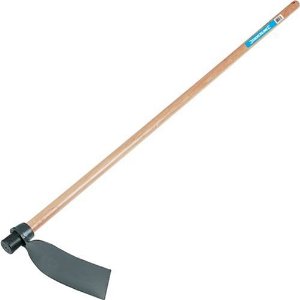
As you learn more and more about gardening you are also going to be learning more and more about all of the gardening tools out there that are designed to help you create a better garden as well as save you lots of time. Of course, you don’t need to purchase every tool that is on the market. Don’t buy too much too soon, start small and with tools you know that you will actually use-you can buy the rest later. Your body contains more than enough strength to carry out all of your gardening tasks. You can use your own two hands to move dirt and plants and earth around. Of course, at the same time, you can use tools to help save time and to protect your body from too much wear and tear. Here are a few gardening tools that you might find useful.
Every gardener needs a good and sturdy pair of gardening gloves. Gardening gloves help keep your hands healthy as you work with the various parts of your garden. You might enjoy the feeling of digging in the dirt with non-gloved hands but gloves will help keep your hands safe and clean while you work. A good example of this is the way your gloves prevent you from being scratched or stuck by thorns when you work with rosebushes.
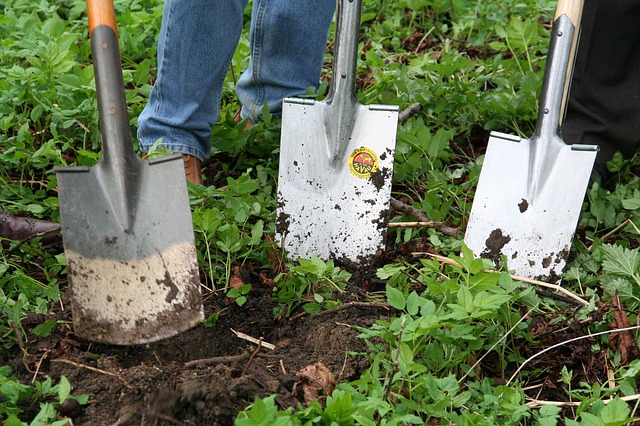
Click Image for More Tools
Gloves also provide protection for your hands when you work with substances that will leave residue behind like fertilizer and compost. There are a lot of bugs and other creatures that are going to take up residence in your garden; your gloves keep you from having to touch them directly. If your garden is large or if you plan on moving a lot of different things at once, you might want to invest in a garden cart. Garden carts can be used to help transport tools to your garden and plants from your garden. You can also use them to help you transport compost from your compost heap to your garden. Garden carts can also be used to move large quantities of dirt away from your garden. Most often, a garden cart is used to transport things in a quick and easy fashion. In a pinch a wheelbarrow can do this as well.
You need to have a hand trowel. Many inexperienced gardeners move dirt around with their hands. Getting used to using a hand trowel will happen over time, usually as you get used to the act of gardening. A hand trowel keeps your actual hands protected. Most gardeners use their trowels to speed up the weeding they have to do as well as to shift the earth that surrounds their plants without disturbing the plants themselves. You can use hand trowels on just about every plant in a garden because trowels come in many different sizes.
Learning which gardening tools are essential takes a little bit of time. When you are a beginner you will be tempted to buy everything available. Instead of dropping a few paychecks on gardening supplies you might not need start with a few basics and then add to your collection as you need to. This will save you money, time and storage space in your gardening shed. Before you realize what has happened you’ll be able to look at your gardening tools and instinctively know which tools you need to complete your tasks.
Categories: environmental, garden design, Garden Tools Tags: essential garden tools, garden tools, pick garden tools, tools for gardening
A Look At Some of the Essential Gardening Tools
Gardening like any project will take the proper tools in order to get the job done effectively. You can look at this as a solid base to from which to begin your gardening project. You may be able to get the job done without any of these tools, but there should be no need to. You will have a greater chance of a successful endeavor if you do take advantage of these tools. There are many various chores you will run into when you are gardening; you are also likely to find a good tool for each one of these that will make it a little easier on you. You will be more apt to reap the rewards of your garden if you supply yourself with the most effectual gardening tools. We hope to give you the valuable information on which tools you should supply yourself with for a positive venture with your garden.
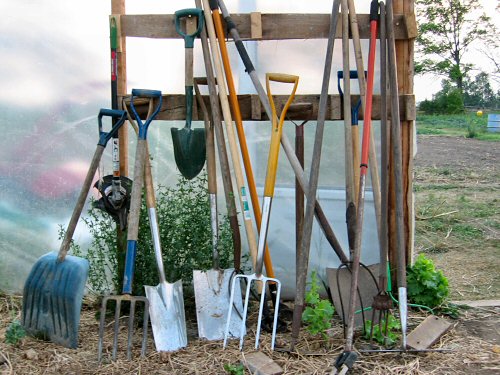
The display of tools and equipment for gardening at the garden shop or nursery can be overwhelming! Don’t, nonetheless, start your gardening without the proper gardening gloves. Hands-on gardening is the order of the day, and you need gloves to protect your hands from injury and the drying effects of the soil. The material for your garden gloves needs to be strong so it can withstand the use they’re put to, but they also need to be flexible so you can move your fingers easily and control what you are doing. The fabric also needs to be thin enough so they don’t hamper your movements.
Wheelbarrows are handy contraptions, even if you don’t have a garden. If you need to move something from one place to another on your property, and the substance is loose and needs to be contained, this is the perfect device for doing this. Anyone that has a large garden can benefit, but if you have a small container garden, or if you do gardening in your apartment, it will not be useful or necessary. When a person has a larger garden, then a wheelbarrow is a tool that you must have. It is an essential tool for this type of a garden.
You are going to need a way to water your garden. A watering can or garden hose will usually be sufficient if you have a small garden. If your garden is too big for a hose or watering can, you will probably need a sprinkler system. You will be able to water your whole garden instead of dealing with each plant on its own. Obviously the watering apparatus is going to depend upon the size of your garden and what is in it. You may be growing very fragile plants and, if you try to water them with a garden hose, they may be damaged. In addition, some plants need constant watering. A good quality sprinkler system would be appropriate in both of these situations.
There is a variety of tools and supplies you need to have if you want a successful garden. Among those things are the right gardening tools. There are so many tools to choose from and, if you are a beginner, it can be very daunting to know what tools to buy. However, don’t let yourself be overwhelmed. You will soon know – with experience – the gardening tools that are really helpful.
Categories: Garden Tools Tags: garden tools, Gardening, gardening tools, Tools
Being Successful With Container Gardening
A revolutionary strategy for planting your own flowers, plants or even produce is container gardening and you can do this whether you live in a tiny apartment or on spacious property. Your containers can be large or small, and it is your choice what you want to grow. What follows are a few essential points that will enable you to have a healthy container garden.
As with any kind of garden, you have to make sure the plants in your container garden are getting enough water. A garden like this, which is not in the actual ground, needs to have more water than normal. Most container gardens do well inside or outside, however it is the lack of water that is usually the primary factor for those that do not make it. Plants in a container are limited in that their roots can’t reach down and find water that’s beneath the surface.
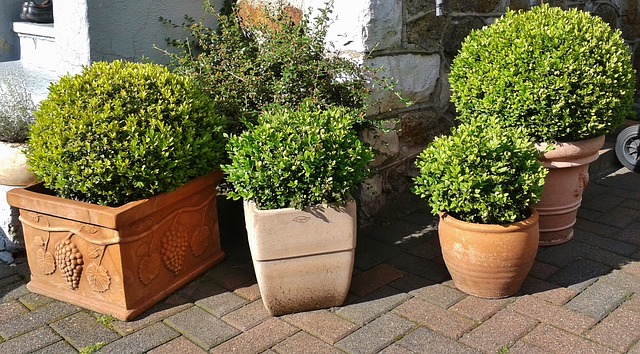
The plants, because they are in a container, rely upon you to give them adequate water. The amount of water you have to give them will depend on the particular plants and time of year, but you have to look at them daily to assess moisture levels. Planting your herbs in a contain garden is the ideal way to go. Many herbs can grow in a small space, and these are often hearty plants that will grow year round. Basil is one of the most popular herbs that can easily be grown in containers, and it is a spice that many people like. You can also grow many other herbs, such as rosemary, sage and various types of mint. One thing to be aware of with herbs is that you may want to keep them in separate containers to maintain their distinct flavors. You can grow herb container gardens inside or outside and you will see the convenience of having delicious herbs to pick out of your garden and use for your cooking.
You have to consider the lighting of your container garden, whether it’s indoors or outdoors. Daily sunlight will give your plants ultimate growing potential. When you are not able to give your plants the necessary light via the sun; it will be necessary to provide it in some other way. You can find grow lights that will help by generating heat much like the heat generated by the sun. When your plants are not exposed to direct sunlight; you can use these to compensate for the loss. If nothing else, you can simply have a 150 watt light bulb over the plants for a little additional heat.
Wherever you decide to put your container garden, consider the type of plants that you use before putting the seeds in the soil. The internal temperature of your residence, because it is adjustable, as well as the humidity, can accommodate exotic plants from different parts of the world. The benefits of doing container gardening are too numerous to list in this article, yet you will find most of them by doing this type of gardening yourself.
Categories: Garden Tools Tags: container gardening, container gardens, gardening with containers
Get Started Pursuing The Greener Life Today
You will discover places in our world that are remarkably untouched by pollution triggered by technological advances. Yet these zones are slowly but surely becoming extinct because the unclean air is circling the entire globe. There happen to be places wherein it is recommended to use a mask because the air is so full of toxins. We were in no way created to be in persistent danger of extreme health difficulties. What might it come to be like to exist in a world that has clean air where you could take a significant breath without any struggling.
What proportion of most of the Globe’s health issues happen to be the result of polluted air? Perhaps why solutions for cancer are not discovered simply because they would have to admit the actual cause appeared to be the contaminants in our air, the poisons in our water supply, together with the poisons inside our food grown in the soil. Is the world a little too far gone to stay able to go back to one with clean air? Can we ever enjoy sun’s rays clearly without it being hidden by smog?
Are the major organizations so piggish that they have minimal value for their own planet or for the people? Aren’t they apprehensive for what they can be leaving their own family? Just how long can industries spew their toxic waste materials into the rivers that all eventually pour into the oceans harming our food supplies? Numerous family units have made their living from the sea over generations, and their way of life has now been put at risk. What will become of most of those villages whose very people count on the sea for their livelihood?
Petroleum has dirtied the shores and contaminated the sea life and impacted lives forever Non-renewable fuels have brought destruction of the earth, and instead of spending billions trying to find more oil, green alternative energy would be a better choice. If everyone made the effort to get thoroughly green, then nature would be safe and beautiful again. Green energy is usually developed without much effort by applying solar panels or even wind turbines. Through the use of green energy, you don’t have waste that could damage the ocean or pollute our skies and there will probably be no environmental accidents.
There does exist so much details about the importance of green living. It’s high time for the people of the world to be knowledgeable in the methods of alternative energy, alternative health, and green living. The time has come to let other countries to forge ahead in repairing the world. We want leaders who believe in alternative energy. The technology to acquire energy from sources like the sun and ocean are available. It’s really a matter of putting the trouble in to getting it to work.
Consider breathing clean air and let that inspire you to going green. Living green is usually as simple as purchasing organic products. When you develop an awareness about green living and using natural products, you are going to wonder the reason why you never did it in the first place. Earth-friendly living will change your existence for the better. Going green is not something to contemplate however it is something that you can do now. Set a priority to learn about renewable living.
Categories: environmental, Garden Tools, plants Tags: Green, green life, green living
Some Tips To Get You Started Gardening
Horticulture is one of several Americans’ most favoured pastimes. It can be a spare time activity that delivers pleasure to not just the most avid of gardeners, but to all who participate in it. Usually there are some essentials to learn, but there after it is actually quite easy. Here are several ideas to help you prepare your garden for year-round enjoyment.
When you begin, first figure out the order of your planting. The easiest way is to first make a decision about the larger sized plants, and lastly to plan where the rest should go. This subject of all the sizes of plants has to be considered in your planning. When you want to add in a certain plant, it is good to find out its size when fully grown. Gardening newbies will find it useful to plant a few perennials, of which one of the many benefits is that they don’t die annually, but keep going year after year. Perennials in addition cost less than annuals while maintaining them is not as demanding. Pick plants like hostas, black-eyed susans and daylilies in case you want to enjoy minimal routine maintenance.
With annuals, instead of buying plants ready to set in the soil, it is less expensive to start them from seed. That is the reason why many people want to plant seeds in their garden, but it is difficult to start annuals that way. A good thing to do is to begin seeding this kind of plant indoors, making sure that they get plenty of water and sunlight. This is likely to make them plenty hearty when you are ready to transplant them to the soil outside. Make certain that the soil is dry when you relocate your annuals. Drier soil encourages the most growth of annuals. Do be sure to blend organic matter into the garden soil, because this helps retain water in the soil, which is needed by the plants subsequent to planting. If the soil is dry initially the plants take better, but once they start growing the roots want lots of water.
Come to a decision on a technique for irrigating your garden, because if that is lacking it will cause a real problem. The kind of plants that you will grow basically decides the irrigation system you should get. For plants requiring lots of water, you could possibly consider installing an in-ground system, but this needs to be done before you plant anything. When you have this kind of system, you never need to be concerned about how your plants will get watered when you are gone. Once you arrange carefully, you will make your garden energy-efficient. You can establish a slope plan if you have issues about your garden in the summer and the water it needs. Plants that are shaded need to have less water, so place your taller plants so that they provide shade for the shorter ones.
Grow to be the neighbourhood gardening expert by building on these simple ideas. As soon as you know the tips for success, you can become an excellent gardener.
Categories: environmental, garden design, Garden Tools, Lawn Care Tags: first garden, get gardening, my first garden, starting to garden
The First Thing Your Visitors Look At Is Your Gorgeous Lawn
Most people, who are living in their own house, take a lot of pride in looking after their home, both inside and out. The exterior landscaping is the first thing that visitors will see, which means you will want to have it looking the best it can. Additionally, you’ll have a feeling of happiness when you see your beautifully landscaped lawn. If you would like your lawn or garden looking its best, you will need the right tools and equipment for the job.
Many homeowners think that using dangerous chemicals and pesticides are critical for having a successful lawn or garden. That does not have to be the case, since you are able to use organic products on your lawn and garden, which will work on them without harming the environment. You will find quite a few harmful chemicals in the fertilizer for your grass, primarily phosphates and nitrates. It will require plenty of fertilizer to do the whole yard, in some cases, a couple of pounds, which will expose your family to some unnecessary problems. Significant health complications, like asthma and cancer can result. During rains, the chemicals become washed away and pollutes the water supply.

Using natural compost is really a better option than using fertilizers, especially if you can make your own. You can make your own compost simply by filling a compost container with old leaves, grass, food scraps and even pet droppings. It does not demand much effort once you set it up and you won’t create any health issues. The compost you create will likely be filled with nutrients. If you have a large yard, you will need to make a lot of compost. The quantity of compost you get isn’t going to be much because it shrinks as the elements first decompose. The lawn and other plants will grow really well in your nutrient-rich soil.
Having a healthy soil, the plants and grass will have healthier and longer roots. Having sturdy roots means there is less water for you to use consequently, you’ll have a lower water bill. Since several areas have constraints on water usage, you will need properly prepared soil, to get the best results from the water you are allowed. Even not having much water, you will still be ready to have a yard, full of green grass.
When you water in the early morning hours, you’re going to get the most effective benefits from the water, than almost every other time. Since there is less sunlight, there’ll be less evaporation and the water will have a chance to saturate into the soil. But don’t get it done at night since the water could potentially cause fungus to grow.
Categories: garden design, Garden Tools, Lawn Care Tags: create a green lawn, green lawn, Lawn, Lawn Care, new lawn
Horticulture: For Mother Nature Fans
If you love nature and really don’t mind getting your hands dirty, then gardening is something you would want to take up. Even though growing plants is a very popular hobby, it can sometimes be physically grueling. If you enjoy the beauty of nature but don’t want to do it yourself, then gardening is not something for you. This kind of interest is a great way for anyone to contribute to improving our environment. Unless you choose to put the time and effort, then gardening is not a hobby for you to do.
As a successful gardener, you must have certain qualities. You might not simply need to love gardening, but you will also need a strong will and determination. Inactivity just isn’t allowed when you do gardening, so you should be physically fit. You must be social and be very willing to share ideas with other gardeners. Carrying out exploration and learning new things in gardening are also key traits in successful gardeners.
If you opt for more professional gardening tools, you’ll find the work you do will be easier than if you got the cheap stuff. Whenever you learn and undertake gardening with great enthusiasm, you’ll find that there are so many possibilities. Your alternatives are almost endless, you could have a garden indoors or outdoors, do fancy landscaping or growing bonsai or exotic herbs. Prior to deciding to try out any new things, make the effort to do research and learn as much as you can. Deciding on the ideal plant to grow takes practice and learning about their productivity takes time. A vital issue to gardening is where a plant should be placed in a garden and how they will grow.
You have to have your garden created in an organized manner with colors that don’t clash with each other. If you have your plants and flowers neatly arranged by color and height, the beauty of your garden will be greatly enhanced. You should set aside one day each week to tending your garden. You might commit this day to working in your garden long and hard. Should you have good friends or family that want to help establish your gardening, let them participate.
As soon as your garden day is over, be sure you have time set for cleaning and putting away your tools. For those who thoroughly take care of your tools, they will provide years of easy but quality gardening. Considering the hard work put forth, people will see how good a gardener you are by looking at your garden. Growing plants is a thing that you should love doing and is something that is worth working hard for. Your perseverance and effort won’t be done in vain when you dedicate them to your garden.
Categories: environmental, Garden Tools Tags: green care, horticulture, mother nature
Is Constructing Your Own Personal Greenhouse Worth The Effort?
Have you at any time contemplated building a greenhouse? There are actually numerous reasons that you should want to have a greenhouse, and even build it yourself. A single primary reason is to have fresh produce in the winter. To begin with, it is much easier to raise small vegetables as opposed to larger ones. Starting up plant seedlings inside a greenhouse gives the plants a better chance of survival because they are protected inside a warm area. To be able to use a greenhouse for your own tests makes it an attractive choice. Trying out various plant varieties can in fact be a most enjoyable hobby.
Finding a sensible location for your greenhouse is the first step to take once you know it is what you want. It needs to be a location that gets the most sunlight. The whole day sunlight would be better, but for plants, ideally they need morning sun. There are two reasons why you ought to construct your greenhouse with the much longer side facing to the south.First would be to have the direction of the roof designed to catch the rays of the sun in the greatest amount. Another factor to consider is you will undoubtedly need to shade one side, rather than both, when using shade cloth. You can utilize maple trees, as well as oak for keeping the daytime sun away from your greenhouse. Even so, don’t forget that your greenhouse usually requires morning sun and so cannot be shaded by these trees in the morning..
It is vital that you have a reliable water source regarding your greenhouse. You can accomplish this with a hose that elongates the full length of the greenhouse or you can install a completely separate water system. Along with a water source, you also need a way for water drainage. The simple way to get this done is to create the greenhouse on higher ground, so this way the irrigation water will drain away, and so will rainwater, or snow melt.
In terms of structuring your greenhouse’s look, you have several possibilities. One uncomplicated option is to construct a lean-to greenhouse on the side wall structure of your house or garage. This is an affordable way to go due to the fact you’re using an existing framework, but don’t forget to face the wall so that your plants will get all the sunlight they need. Constructing a Quonset hut might be an additional less costly method. They are usually simple to warm up as a result of their dome-shaped structure. One more model is the Gothic Arch greenhouse which happens to be similar to the Quonset style, but the curved roof is pointed top, and the sides are generally straighter.
Continuing on, you have the Classic A-Frame with its high slanted sides that make it hard to heat up. A Modified A-Frame may be what you need if you want the Classic A-Frame minus the steep roof. A Barn-Style greenhouse offers a lot of space and resembles a barn in appearance. Yet another type, the even-span greenhouse, is attached to one end of another building and is a full-sized structure.
Categories: environmental, garden design, Garden Tools Tags: building greenhouse, greenhouse, new greenhouse
Suggestions For Shielding Your Garden From Pests
Gardening could be a piece of cake if the only thing you had to do was plant some seeds and watch them grow, but there’s much more to it than that. After the primary hard work is completed and your plants are beginning to grow, pests are going to appear out of nowhere and start attacking your plants. You can keep the pests away by keeping your garden very clean. Garden compost piles do not generally cause issues but an messy yard that is not regularly cared for can be a significant problem.
One particular natural method of getting rid of garden pests is to use earthworms because their constant moving of the soil allows air and water to be accessed. Several varieties of birds, including robins and sparrows, feed on typical insects. Some bugs, just like the ladybug, do a good deed by feeding on harmful insects. Rather than looking for ways to get rid of toads, you should welcome them as they are able to eat many insects in one sitting. Having a garden that attracts birds and toads is a great way to keep those insect pests out of your garden.
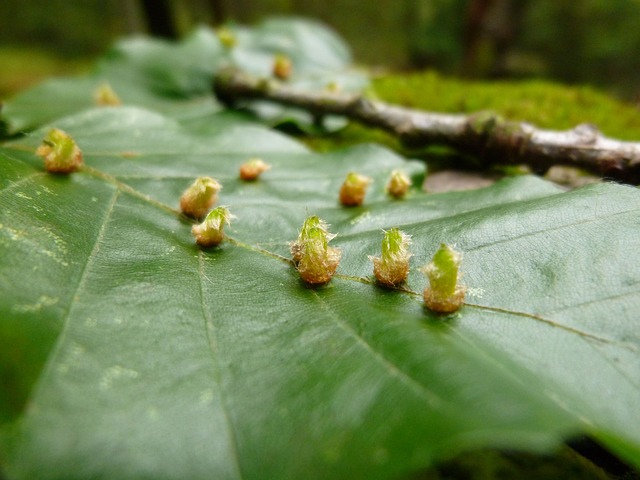
You are going to attract birds to your garden if you have a birdbath, a birdhouse, and place some grain around the perimeter when spring is beginning. If you’re looking to entice toads, you need a spot with no shortage of shade. Look for a nice shrub and position some damp leaves in addition to a few stones within its shade. The toads might take pleasure in the cool shade in the sizzling summer and enjoy feasting on insects during the evening. Exactly how insects work is the pinpointing factor as to which type of insect they fall into.
Caterpillars and grasshoppers are an example of gnawing insects, those who chew pieces of a plant. Mosquitoes and plant lice are scale insects that adhere themselves to a plant and then draw all the juice from it. Gnawing insects could be poisoned with a spray that is applied on the plant; they will ingest it along with the plant. Or perhaps the insects can be attacked directly with insecticides, that are sprayed onto the plants to fall on the insects. Each one really does a deadly job on the insects. Backyard gardeners usually speculate which insect is causing the damage, which will be determined by observing either the type of damage or the actual insect.
If the stalk of one of your delicate plants has been completely split, you can anticipate that a cutworm is the culprit. Should you ever see a caterpillar with gray stripes, it might be a cutworm. They are hard to see as they rest during the day and only come out to work at night. Position tin collars or paper on your plants to guard them. More widespread are plant lice which are usually green in color, but may be red, brown or yellow. They are really simple to spot since they’re clinging to the plant.
Categories: environmental, Garden Tools, Lawn Care Tags: fight garden pests, garden pests, kill garden pests, using pesticide